

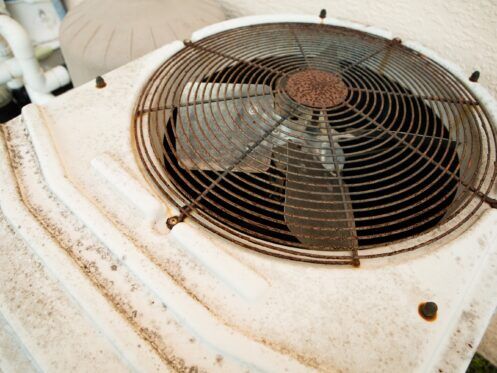
Living on or near the coast is great for the beautiful scenery and beach fun, but it can harm your HVAC system, especially if you don’t schedule regular inspections. The salt in the air causes the system’s outdoor components to corrode more quickly, resulting in a shortened lifespan and more repairs. With regular inspections, a trained technician can spot corrosion in the earliest stages and prevent it from causing more extensive damage.
HVAC Components Most Affected by Salt Air
The salt particles in the ocean get carried by the wind, where they eventually settle on the outdoor HVAC unit. Since there’s already high humidity on the coast, the mixture of salt and moisture often speeds up corrosion on metal components. The condenser coils, aluminum fins, and cabinet panels are some of the parts that tend to deteriorate first. The corrosion also affects refrigerant lines and electrical wiring connected to the outdoor unit.
Signs Salt Air May Be Damaging Your HVAC System
If you notice rust or chalky corrosion on the HVAC’s outdoor components, these are clear indicators of potential damage from the salty coastal air. Many homeowners first realize their HVAC unit has corrosion problems when they see flaky metal on the cabinet panels or condenser coils. A refrigerant line with advanced corrosion may show deep pitting and extensive rust damage. The electrical wiring that tends to be the most affected by salt-air corrosion usually sits inside the outdoor condenser unit. It may have green or blue-green discoloration along with white, powdery corrosion and brittle wire insulation.
When your HVAC system has damage from salt air, it may start to run longer cycles, increasing your energy bills as well as wear on individual components. Repair needs often become more frequent as certain parts start to fail prematurely.
Aside from frequent repairs, here are important clues to watch for:
- Rust on the outdoor housing
- White chalky metal deposits
- Flaking paint on cabinet
- Weak airflow from vents
- Unexpected spike in energy bills
- Rattling outdoor condenser noises
- Pitted copper refrigerant tubing
How Routine Maintenance Helps
When you have the HVAC unit regularly maintained, you give a trained expert the chance to spot corrosion before it starts to spread or affect the system’s efficiency. Skilled technicians have special cleaning solutions and soft brushes to gently clean the coils and condenser fins when they have rust on them. Another crucial part of each maintenance check is a visual inspection of the electrical wiring for signs of damaged connections. Even though periodic tune-ups don’t completely eliminate the threat of salt air corrosion, they do provide a proactive way to catch small problems before they grow and require costly AC repairs.
Should Coastal Homes Use Special HVAC Equipment?
When you live right on or near the shoreline, a regular HVAC setup may not hold up as well as one designed for salty air conditions. You’ll most likely need one with corrosion-resistant cabinets and factory-coated condenser coils. The installer may also suggest elevating the outdoor components at least 12 inches above the ground to help reduce the risk of standing water damage during heavy rain. It’s also best to choose a position on a sheltered side of the home, where it’s less exposed to direct ocean winds.
If your unit has a bunch of shrubbery or ornamental grasses around it, we’ll recommend keeping it trimmed at least 2 to 3 feet from the equipment. This way, when it rains, the unit will dry quicker since it won’t have restricted airflow problems.
Protect Your HVAC System in Pawleys Island, SC
Even if you have an HVAC setup specially designed for coastal conditions, it’ll still need regular maintenance. High humidity and salt air cause major wear and tear that leads to more frequent repairs if you don’t have the components cleaned and inspected regularly.
Hood Mechanical Inc. has extensive experience in fine-tuning HVAC systems to run at peak performance despite the harsh coastal environment. We usually suggest at least two HVAC maintenance visits each year to catch corrosion before it spreads. We also offer HomePerks membership options, with the Premier plan providing spring and fall precision tune-ups.
We’re here to answer any questions you have about choosing the right HVAC setup for your coastal home on Pawleys Island and beyond. Contact Hood Mechanical Inc. today.