Signs You May Need Hydro Jetting
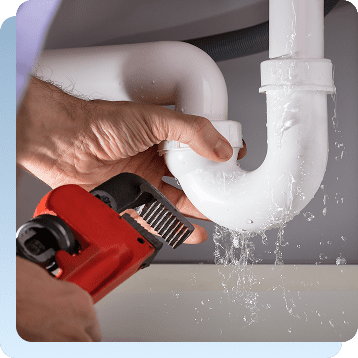
Not every slow drain requires hydro jet drain cleaning in Pawleys Island, SC. A localized clog may respond well to an auger or a plunger. High-pressure drain cleaning becomes more relevant when heavy deposits coat a larger section of pipe. A professional inspection helps identify the restriction and appropriate cleaning approach.
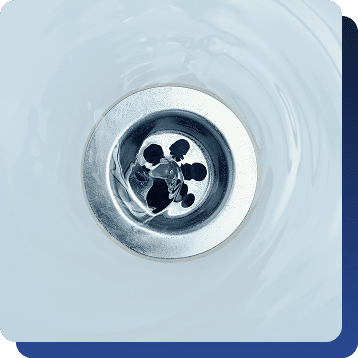
Recurring blockages may develop when grease, soap residue, sludge, or mineral deposits remain along pipe walls. Multiple slow drains can indicate a restriction deeper within the drainage system. Gurgling sounds and unpleasant odors may also accompany reduced wastewater flow. Residential hydro jetting can remove accumulated material from structurally sound lines.
Watch for these common indicators that hydro jetting may help:
- Recurring drain or sewer line blockages
- Multiple slow-moving drains
- Persistent grease, sludge, or mineral buildup
- Unpleasant odors from drains
- Reduced flow within drain/sewer lines
- Gurgling drains
Hydro Jetting for Sewer Line Buildup
Sewer line hydro jetting directs controlled water streams against the interior surface of a serviceable pipe. The process can loosen grease, sludge, mineral deposits, and other accumulated debris. It cleans a broader section than equipment that only opens a path through one obstruction. Results depend on pipe condition, access, nozzle selection, and the blockage.
A drain jetting service should begin with a review of symptoms and available access points. Our plumbers may recommend a sewer camera inspection when the line needs closer evaluation. Video findings can reveal cracks, failed joints, corrosion, or collapse. Those conditions may require sewer repair or installation services instead of pressurized cleaning.
Our hydro jet plumbing process matches water pressure and equipment to the line being serviced. This measured approach helps clean suitable piping without assuming every blockage needs the same treatment. Hydro jetting services in Pawleys Island, SC, may be appropriate after recurring clogs return following standard cleaning. We explain why the method fits before approved work begins.