When Heating Replacement Is Needed
A new heating installation is a big investment for your Pawleys Island home. You’ll want to make sure it’s a decision that makes good financial sense before you commit. If your system is less than 15 years old, repairs are typically the more economical solution, but not always. If fixing your system costs more than half of what a new system will cost, we recommend opting for a heating replacement.
Call Hood Mechanical Inc. when your current system:
- Is more than 10 years old
- Needs expensive repairs
- Breaks down frequently
- Costs too much to run
- Doesn’t heat your home effectively
Most residential heating systems last at least 12 years, with many working well into their second decade. However, Pawleys Island is a coastal area, which means salt air and high humidity can run systems down faster than average. It’s important to look at your service history to determine when it’s best to opt for a heating replacement.
If you’re doing repairs every year, and costs are mounting, it’s likely best to choose a new system. Our HVAC experts can guide you through choosing the best heating system for your home. We install heat pumps, hybrid systems, and gas or electric furnaces.
Choosing the Right Heating System
When shopping for a new heating system, there are several factors that come into play. You’ll want heating that covers your entire home without leaving cold spots, and without pushing your utility bills sky high. At Hood Mechanical Inc., we have options from the top brands to give you lasting warmth.
When shopping for a new system, you should consider:
- Insulation
- Energy efficiency
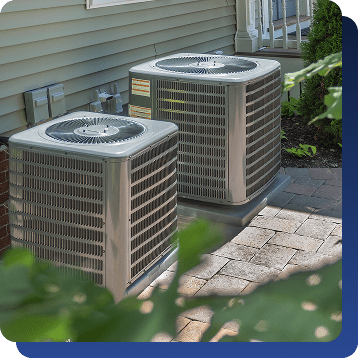
Our mild climate means that heat pumps are a great option for many homeowners. High efficiency ratings and two-in-one heating and cooling make these compact systems a great way to ensure year-round comfort. Gas and electric furnaces are also available options, particularly for homeowners seeking strong, consistent heat output.
Our team helps you compare system types, efficiency ratings, and features such as variable-speed operation and smart thermostat compatibility. We take the time to explain how each option performs in real-world conditions so you can make an informed decision that balances upfront cost, long-term savings, and comfort.